Built because the risk that stops production is the risk you didn't know to look for.
Apvyne was founded in 2021 to solve the sub-tier visibility problem in modern supply chains.
The story behind Apvyne
Christopher Abara spent several years running procurement operations at a contract electronics manufacturer in the Research Triangle, qualifying suppliers and managing the RFx process for a multi-tier supply base. The pattern he kept encountering: a production halt would be traced not to the contract manufacturer's performance, but to a single-source component supplier buried two tiers below—a vendor that appeared nowhere in the Tier-1 scorecard and was governed by nobody's contract. In 2021, he co-founded Apvyne specifically to map that hidden layer. Not a broader SRM suite. Not another spend analytics dashboard. A dependency graph that starts where every other procurement tool stops—at the Tier-1 boundary.
We're not a general-purpose supplier relationship management platform. We do one thing: trace the sub-tier dependencies that standard procurement tools don't reach, and score the concentration risk living in that blind spot.
The team

Christopher Abara
Former procurement operations lead at a contract electronics manufacturer in Raleigh, NC. Ran strategic sourcing and supplier qualification for multi-tier electronics supply chains, including sub-tier BOM audits, before co-founding Apvyne in 2021.
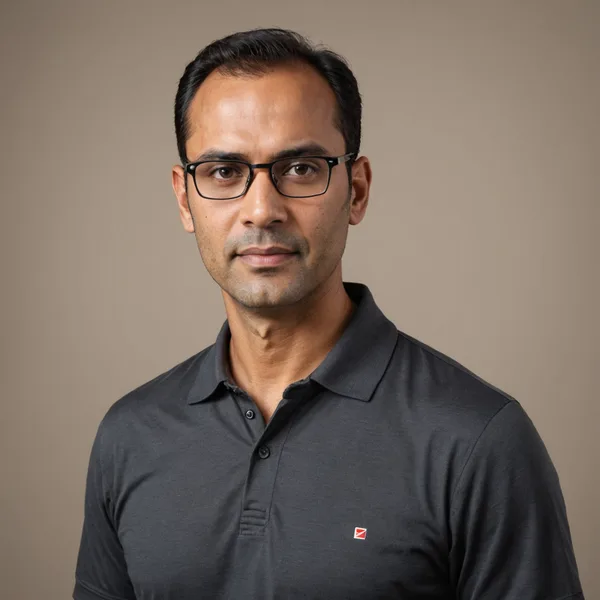
Marcus Osei
Previously built supply chain data pipelines at a logistics analytics firm, ingesting multi-source spend and shipment data. Leads Apvyne's data infrastructure, BOM ingestion engine, and sub-tier graph construction.

Yuki Tanaka
PhD in applied graph theory from NC State. Designed the supplier network clustering algorithms that compute Apvyne's concentration risk scores, including the cross-customer dependency and geographic overlap metrics.
Recognize the pattern?
If you've ever traced a production disruption down to a sub-tier supplier nobody was watching, we'd like to hear about it. That conversation is where our roadmap comes from.
Get in Touch